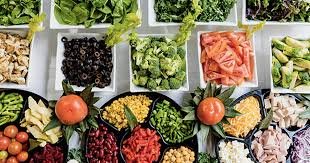
Good health starts from the inside, and nutrition is the key. A balanced diet provides your body with the essential nutrients it needs to function efficiently, fight diseases, and maintain energy levels. It’s not about restricting yourself—it’s about making the right choices that nourish your body every day.
Key Components of a Balanced Diet
Fruits and Vegetables Fruits and vegetables are packed with antioxidants, fiber, and vitamins. They improve digestion, prevent chronic diseases, and support a strong immune system. Aim for at least 5 servings per day, and include a variety of colors for maximum benefits.
Proteins Protein is vital for repairing tissues, building muscles, and producing enzymes and hormones. Sources include:
Lean meats like chicken and turkey
Fish and seafood
Eggs
Legumes like beans, lentils, and chickpeas
Nuts and seeds
Carbohydrates Carbs are your body’s main energy source. Opt for whole grains such as oats, quinoa, brown rice, and whole wheat bread instead of refined sugars and white flour. Complex carbs provide sustained energy and keep your blood sugar stable.
Fats Not all fats are bad. Healthy fats, such as olive oil, avocado, nuts, seeds, and fatty fish, support brain health, hormone production, and vitamin absorption. Limit saturated and trans fats found in processed foods.
Dairy and Alternatives Dairy products like milk, cheese, and yogurt provide calcium and vitamin D, which are essential for bone and dental health. For lactose-intolerant individuals, fortified plant-based alternatives such as almond or soy milk work well.
Benefits of a Balanced Diet
Energy and stamina – Balanced meals help maintain energy throughout the day.
Weight control – Proper portions of all food groups prevent overeating and unhealthy weight gain.
Improved mental health – Nutrients from whole foods support brain function and mood regulation.
Stronger immunity – Vitamins and minerals help the body defend against illnesses.
Healthy aging – Antioxidants in fruits and vegetables slow down the effects of aging and prevent chronic diseases.
Practical Tips to Eat a Balanced Diet
Plan your meals – Include all food groups in every meal.
Cook at home – Home-cooked meals are easier to control for portion sizes and quality ingredients.
Snack smart – Choose nuts, fruits, or yogurt instead of processed snacks.
Read labels – Avoid foods high in added sugars, unhealthy fats, and artificial additives.
Practice moderation – Treat yourself occasionally without guilt but keep it balanced with healthy meals.
Balanced Diet Across Life Stages
Children – Need protein for growth, calcium for bones, and iron for energy.
Adults – Focus on maintaining weight, heart health, and energy levels.
Older adults – Need nutrient-dense foods to maintain muscle, bone health, and overall vitality.
Tips for Staying Consistent
Keep your pantry stocked with healthy essentials.
Prepare meals in advance for busy days.
Replace sugary drinks with water or herbal teas.
Include a variety of flavors and textures to avoid monotony.
Listen to your body—eat when hungry, stop when full.
Conclusion
Building a balanced diet doesn’t require perfection; it’s about making small, sustainable choices every day. By eating a variety of foods, controlling portions, and focusing on nutrition rather than restriction, you can improve your energy, prevent chronic diseases, and live a healthier, more fulfilling life. Remember, a balanced diet is the foundation for all aspects of health—body, mind, and spirit.