In the early days of dentistry, physicians and technicians were still a single person, let’s call them “dentalists”. In the morning, prepare the patient’s teeth, take the model, close the door in the afternoon and smash the hammer to make the crown, arrange the teeth, pack the box and cook the box. There must be some young doctors who have never seen how to use lead blocks to make hammer crowns. Since casting technology entered the oral field, with the increase of production procedures, the equipment cost is higher, and professional denture dental laboratory processing factories have emerged as the times require.
Physicians and technicians are the left and right arms of the dental field, and their common goal is to provide patients with high-standard restorations.
As mentioned before, the relationship between the two is mutual. If there is no good cooperation, if one party has a problem, both will be affected. This is mutual growth. Problems in cooperation are unavoidable. At this time, the doctor will complain that the technician is not doing well, and the technician will complain that the doctor’s model is inaccurate. This is mutual restraint. Physicians and technicians cooperate with each other, and the cooperation is good, but once a problem occurs, it must be noted that it is useless for both parties to complain about each other. If the cause is not analyzed, the same problem will appear in the future, wasting time and material costs. Therefore, physicians and technicians must communicate more. The physicians should write as detailed as possible on the design sheet and follow up the design progress; while the technicians should also give some opinions to the physicians after the restoration is completed, so as to promote benign and high-quality cooperation between the two parties.
Physicians are in the leading position in the repair process. Most of the physicians have to go through years of professional study to master more professional knowledge and skills. The most important thing is that the physician directly contacts with the patient, which is the best understanding of the patient’s oral situation and the patient’s condition. People with practice, character and needs. Therefore, physicians should not only have rich theoretical knowledge, but also have superb operational ability.
Therefore, the dentist should assume the following responsibilities to the technician:
In some specific cases, technicians have advantages that doctors cannot match. For example, they can intuitively view details such as undercuts and shoulders of abutments, and have a deeper understanding of the performance and production process of denture restoration materials.
Technicians should take advantage of these advantages to reflect their own value in medical technology communication, and at the same time assume their own responsibilities:
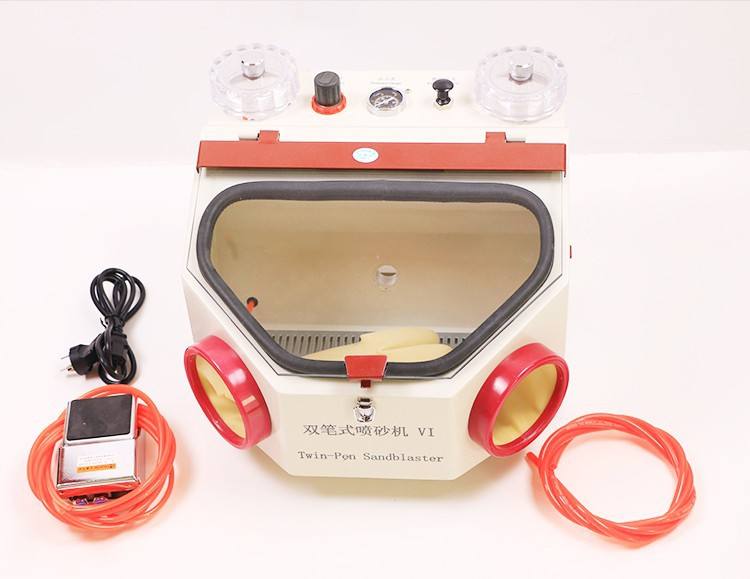
During the denture production, technician will handle different type of dental lab equipment, such model trimmer, vacuum forming dental molding equipment, sandblaster equipment to produce the customized prosthesis.
Physicians and technicians have an equal partnership. With the introduction of new materials and technologies in recent years, it is necessary to speed up the running-in and communication between physicians and technicians in order to make better restorations.